Lifestyle Medicine strategies for menopause relief
This article is all about simple Lifestyle Medicine strategies for menopause relief.
The majority of midlife women (ages 40s through 60s) living in western society struggle with the hormonally-driven transition through menopause. The menopause transition is a natural part of aging, however it can be annoying and if left un-checked, can lead to the development of chronic diseases, especially heart disease, hypertension and diabetes.
Making lifestyle-related changes can help women manage menopause symptoms, increase quality of life and sustain a long healthful life. Lifestyle medicine is effective for menopause relief and chronic disease protection because it’s a holistic, whole-body approach that mitigates symptoms, protects against chronic disease risk factors and helps create optimal long-term wellness.
Many, many times in my health coaching practice, making changes toward Lifestyle Medicine recommendations, changes centered on a well-informed plant-predominant diet, leads to improved health without having to buy extra supplements or starting medical therapy. In fact, many of my clients started working with me because they didn’t want to start taking medicines that their doctor said they’d have to start. After a few weeks, these folks discovered that they won’t be needing them because they made lifestyle changes that made a significant difference in their health.
Their diet & lifestyle changes transformed their health and gave them confidence for a healthy future!
[Want to know more about my story, my clients successes and look into some great resources? Enjoy checking out information on this website!]
The “Prime Time” years: Are yours spent protecting or harming health?
We all age. HOW we age is largely up to us. It’s not primarily our genes that lead to disease as many believe.
According to research noted by the Centers for Disease Control and Prevention (CDC), lifestyle choices, including dietary ones, are far more influential than genetics in the development of most chronic diseases. While genes influence a person's risk for various conditions, the vast majority, approximately 80%, of chronic disease and premature death could be prevented by adopting consistent healthy behaviors over the duration of one’s lifespan.
Some call it midlife, but I like to call life in one’s 40s-60s “Prime Time.” Maybe there’s not really a ‘midlife’ because who really knows when our midlife actually is… 41? 34? 50? I think life in one’s 40s-60s are the primeyears to enjoy life, the fruits of your labor from decades of hard work.
Life in your 40s, 50s and 60s can be years spent contributing to disease development without our even knowing it… OR it can be time spent making deposits into our health bank to enjoy those investments in later life.
Our Prime Time years can also be the prime time to experience concerning health issues and menopause symptoms. During this timeframe is when most chronic diseases are diagnosed, or at least their symptoms starting to be felt or noticed.
This might mean weight gain, heart pains, gut discomfort, brain fog, low energy, stiffness, poor sleep, sexual dysfunction and other concerns.
Fact is, we’ve spent our entire lives ‘voting’ on what kind of health we’ll experience in Prime Time and beyond. We vote with every diet & lifestyle choice we make.
Common “Prime Time” chronic illnesses during menopausal years
Life in midlife is two-sided. On the one hand, midlife should be a celebration. It’s a time of kids leaving the nest and launching into adulthood, a time for traveling, and a time for being in charge of your own schedule. At least ideally, that’s the idea, right?
Remember, HOW we age is primarily up to each of us.
Age-related chronic diseases like diabetes, obesity, hypertension, high cholesterol are, primarily speaking, lifestylerelated. And when it comes to a woman’s post-menopause years, developing heart disease is the biggest concern.
Heart disease is the #1 killer of women in the U.S., claiming the lives of approximately one in five women each year. Up to 90% of heart disease is preventable through lifestyle changes, including a plant-based diet and other lifestyle medicine modalities.
Heart disease is often called the “silent killer” because the symptoms are often non-specific, like frequently being tired.
You can have more control of your health than you may realize
The good news is that there are things you can do starting today to mitigate menopause symptoms, to get relief, and build a life absent of chronic illness.
In a nutshell, your diet & lifestyle habits, your choices, create the health you experience. Today and well into the future.
You have more control over your health outcomes than what you’ve been told or modeled. I’m here today to help you know more about what you can do at home for better health.
Are you healthy already with no diagnoses? Awesome! You’ll be glad to know what I talk about in this article can help you protect good health. It’s not just to use if a diagnosis or health concern arises.
Health in midlife: You deserve to enjoy a healthy midlife & beyond
If you’re like me, you’re somewhere in midlife, dealing with hormone changes while looking ahead towards retirement, empty nest freedom, traveling, and enjoying time with friends & family.
This sounds amazing.
We’ve worked HARD to get to this point, pouring everything into our families and careers, putting them first, and finally, FINALLY, we’re able to focus more on ourselves a little more.
We deserve to enjoy our Prime Time years and not be dragged down by menopause symptoms or age-related chronic illness.
Unfortunately, the menopause transition can lead to development of chronic illnesses. We are no longer protected by high levels of natural sex hormones estrogen and progestin and a strong metabolism. To add to that, our activity level changes (most of us are not running after toddlers all day every day), our habits change (watching TV sounds better than dancing the night away) and our poor habits of years-gone-by catch up with us.
Common post-menopause chronic illness developments include heart disease, osteoporosis, diabetes, hypertension and breast cancer. But it doesn’t have to be that way, because we have a choice.
What will the last 10 years of your life look like?
We have choices in life - the choices that lead to wellness or the choices that eventually lead to illness.
Today may seem fine to you. You’re not struggling too much with health issues. And you think you eat healthy and you exercise a bit. Maybe you’re keeping issues at bay or more under control with medications.
Wherever you are on your midlife journey, living healthfully is paramount to the quality of health experienced later in life.
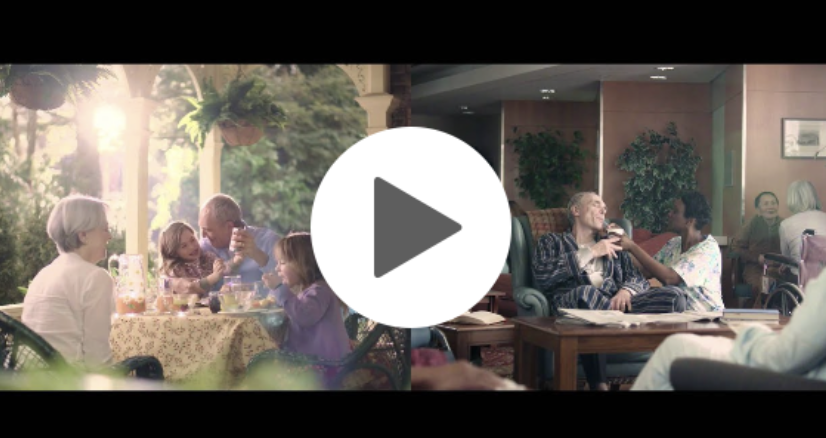
How do you want to age?
Here’s a video by the Canada Stroke Foundation that powerfully illustrates the culmination of our habits over the years.(1) A very good friend of mine shows this video to EVERY new patient in his lifestyle medicine clinic. Every one. And now YOU can watch it too!
Watch the video, then consider how you want your life to turn out in your 70s, 80s and even 90s.
HOW we age is up to us.
Aging: What is the menopause transition?
Do you have night sweats? Seem a little moodier? Have unexplained weight gain in the midsection? Hair thinning, irregular periods and hot flushes? You’re probably in the menopause transition. Lucky us.
First, let’s look at what menopause transition is. Then we’ll get into how you can use Lifestyle Medicine strategies to take more control of your health outcomes.
There are three stages of the menopausal transition: perimenopause, menopause, and post-menopause.
Each woman goes through menopause stages with their unique genetic profile. Every woman experiences symptoms differently at different times during the entire menopausal transition. So what you experience is probably different than what I experience, or what your neighbor experiences. We can, however, make general assumptions which is helpful so you can get relief and protect your health.
Your input affects the output. In other words, your diet & lifestyle choices create the environment in which your health responds. And during the midlife menopause transition is a perfect time to ‘see’ those responses.
The three stages of the menopausal transition
Perimenopause: This is the phase leading up to the final menstrual period. You may not even realize you’re in perimenopause at first, as symptoms may be infrequent and mild. This first phase is marked by fluctuating hormone levels, irregular menstrual flow and timing and may be accompanied by symptoms like hot flashes and mood swings. Perimenopause may begin in your late 30s or early 40s, and can last several years, sometimes 7-10 years. This is an estimate of onset and duration. Estrogen and progesterone hormones begin to fluctuate.
Menopause: Once you reach 12 consecutive months after your final menstrual bleed, you’ve reached menopause. At this point, the ovaries have stopped releasing eggs and thus no menstruation occurs. The 12-month “anniversary” of menstruation cessation is called menopause. Menopause is a moment in time. Estrogen and progesterone diminish even more at menopause.
Post-menopause: This last stage begins after menopause has been reached. You’ll then continue for the rest of your life in the post-menopause stage. In this stage, sex hormone levels are consistently low, and while some menopausal symptoms may lessen during post-menopause, risks for chronic conditions increase, especially osteoporosis and heart disease increase.
Common symptoms during the menopause transition
Many of the top complaints during the menopause transition are predominantly caused by fluctuating hormones like estrogen and progesterone. If you’re going through these hormonal fluxes, you may feel that they affect your physical body, mood and mind.
You’re not losing your mind or control of your body! There are things you can do to feel better and reduce health risks! We’ll get to those soon, so keep reading!
You might find that symptoms are very annoying, and sometimes debilitating (hello, hot flashes!). In addition to these vasomotor symptoms (flashing, night sweating), other pain points can include sleep disturbances, weight gain, mood changes, joint pain, and vaginal dryness.
Menopause is NOT for the faint of heart! Stay strong, my friend!
Research: AARP Study
According to a 2023 research survey by AARP, about 90% of women over age 35 experience menopausal symptoms. Some even report that symptoms get in the way of everyday life, with about 40% of women surveyed saying they experience multiple symptoms, around 5-9 altogether. (2)
According to AARP’s study, 9 out of 10 women report menopause symptoms. They range from hot flashes, night sweats, mood and emotional swings, fatigue, weight gain, insomnia, lack of sexual desire (libido) and vaginal dryness, brain fog, joint and muscle pain and more.
Take a moment to think about what, and how many, menopausal symptoms you experience. Wouldn’t you like to NOT have those symptoms?
Personally, when I hit age 51, my quality of life changed dramatically, all thanks to these age-related hormonal changes. Now, I manage this post-menopausal life stage with Lifestyle Medicine informed strategies, namely an active, plant-based diet.
Physical-related symptoms during menopausal transition
Hot flashes and night sweats: Sudden, intense feelings of warmth in the upper body that can cause flushing, redness, and heavy sweating. Hot flashes that occur during sleep are called night sweats and can disrupt rest.
Irregular or abnormal bleeding: Fluctuating hormone levels during perimenopause often lead to unpredictable changes in the menstrual cycle, including skipped periods or variations in frequency and flow.
Sleep problems: Insomnia, difficulty falling asleep or staying asleep, and poor sleep quality are common complaints. This is often linked to night sweats, anxiety, and low hormone levels.
Joint and muscle pain: Joint stiffness, aches and pains are frequent complaints, especially of the hands, legs and back. Declining estrogen levels can affect joint-protective cartilage and increase inflammation.
Vaginal and urinary issues: The drop in estrogen can cause vaginal dryness, itching, and pain during sex. Lower estrogen levels also increase the risk of urinary tract infections and urinary urgency or incontinence.
Headaches: Many women experience an increase in the frequency or severity of headaches and migraines during the menopause transition.
Heart palpitations: Hormonal fluctuations can cause heartbeats to become more noticeable, giving the sensation of a racing or fluttering heart. Note: some medications can affect heart palpitations too, so be sure to talk to your doctor about that.
Weight gain: A slower metabolism and shifting body composition are common, often leading to weight gain, particularly around the abdomen. This collection of abdominal visceral fat (the kind that’s deep within the body cavity) can lead to development of chronic illnesses, especially diabetes and cardiovascular or heart-related diseases.
Psychological & emotional-related pain points during menopausal transition
Mood changes: The vast majority of women report mood swings during perimenopause. Common complaints include irritability, anxiety and sadness. These issues are tied to the hormonal fluctuations that affect the brain's mood-regulating chemicals.
Anxiety and depression: Menopause can be a vulnerable time for new or worsening anxiety and depression, especially for women with a history of these conditions. Poor sleep, stress and hormonal shifts all contribute to this risk.
Brain fog: Many women experience cognitive complaints, such as memory lapses, difficulty concentrating and general "fuzzy thinking."
Low libido: A reduced sex drive is a common complaint that can be caused by hormonal changes, fatigue and the physical discomfort of vaginal changes or dryness.
Decreased confidence: Physical changes and emotional distress during this period can lead to lower self-esteem and self-confidence for many women.
That’s a lot! The menopause journey is a natural aging process, but it’s no picnic! Am I right or am I right?
So what can you do about it?
Medical treatment options in lieu of Lifestyle medicine for menopause relief
There are many medical and hormonal treatments available on the market today, and for this article, I will only discuss things you can do at home with diet & lifestyle choices.
Medical treatments range from hormone replacement therapy (HRT) in pill, patch or cream forms, to neurologically-targeted medications.
“If you’re interested in learning more about HRT, this is a great book I personally found helpful: Blind Spots:When Medicine Gets It Wrong, and What It Means for Our Health, by Marty Makary, M.D.! There’s only 1 chapter on HRT, but it gave me hope and the confidence to make some important choices about my own menopause journey. I hope it helps you too.”
Talk to your doctor about what medical or hormone treatment, if any, is right for you. But for now, let’s talk about things you can do starting today at home to help your midlife menopausal transition so you can get some relief.
Coaching + Lifestyle Medicine for menopause relief
Since 2015, I have dedicated my life, personal and professional, to a plant-based lifestyle. This interest-turned-profession has helped me transform my health. But this lifestyle transition also helped my husband, daughter, parents and clients. The value of a better quality of life (QOL) is off the charts!
Now, for my own health, I have the knowledge & confidence to maintain sustainable good health, healthy weight, manage menopause, manage my auto-immune disease (hypothyroidism, Hashimoto’s Hypothyroiditis), and enjoy my later years fully. And I share that with clients & people like you, dear reader.
How do I have such confidence? With Lifestyle Medicine strategies that work.
How do my clients gain better health, quality of life and confidence too? Through my products and coaching services. Health coaching is effective for so many issues, including Type 2 diabetes.(3)
What is Lifestyle Medicine?
Lifestyle Medicine (LM) is a whole-person medical approach to health & wellness that I promote with every one of my clients. It is a holistic approach that helps create the long-term wellness most people want, especially during the menopausal years.
From hot flashes to weight gain, LM strategies can help you in your midlife health.
Lifestyle medicine is a rapidly growing medical discipline, an evidence-based medical specialty (like Functional Medicine or Internal Medicine are specialities) that uses therapeutic lifestyle interventions for chronic disease prevention, management and reversal. (4)
Specifically, LM uses a multi-pronged approach to optimal wellness in these areas: a whole-food, plant-predominant eating pattern, regular physical activity, restorative sleep, stress management, avoidance of risky substances, and positive social connections. These pillars work together to help prevent, treat, and even reverse chronic conditions such as cardiovascular disease, type 2 diabetes, and obesity. Check out my client testimonials for their success stories!
In my coaching practice, Second Youth wellness, I’ve expanded health strategies and based them on these Pillars of LM. Here, I use C.L.E.A.N.E.R. Strategies for better, long-term health.
The C.L.E.A.N.E.R. Strategies: A Framework for Optimal Wellness
Lifestyle Medicine modalities are great to rely upon during the menopausal years. My C.L.E.A.N.E.R. strategies are based on the 6 Pillars of Lifestyle Medicine: optimal nutrition, physical activity, restorative sleep, stress management, positive social connections, and avoidance of risky substances. These evidence-based LM interventions are used by Lifestyle Medicine physicians to treat, reverse, and prevent chronic disease.
As a National Board Certified Health & Wellness Coach, and LM Certified Coach, here is a little different take, expanding the LM Pillars and adding in important, and often forgotten, behavior change aspects for better, long-term health.
Character: How we are as a human, how we worship, how we contribute positively to society - When we regularly contribute to society in a positive way and share in common bonds, we develop a positive self image, are lifted up emotionally and spiritually, and add to the progress of humankind. Regularly volunteering, attending church or religious meetings, mentoring students - these are all part of character development. Strong Character and helping others creates a sense of purpose and a “Helper’s High.”
Lifestyle: How we live, what we do regularly (habitual choices) - Our lifestyle is an accumulation of what our lives are like. We are the outcome of our habits, what we do regularly. We create a lifestyle based on our choices made over time.
Exercise: How we move regularly - We do the things we make time for, and exercise is often the activity that gets pushed to the side due to life’s more pressing demands. But exercise doesn’t only mean going to the gym. Exercise could include physical activity that elevates heart rate for a duration of time, like 30-60 minutes. The more active we are, the healthier we typically are. Engage in regular, consistent movement, including aerobic exercise, strength training and flexibility or stretching to support mental and overall physical health.
Attitude: How we think, what our mindset is like - Managing stress, having an optimistic outlook, believing in your own capabilities, these contribute to our attitude which can directly affect health outcomes. If we think we can, or think we can’t, we’re right. If we think it’s hard, or think it’s easy, we’re right.
Nutrition: How we fuel the body - This strategy is the most emphasized in LM for optimal health and for good reason. What we put in our mouths is the very fuel the body uses to create health or battle illness. Adopting an eating pattern that is whole-food, plant-predominant, minimally processed plus low/no alcohol or risky substances is paramount for optimal health. The LM recommended diet includes consuming foods rich in fruits, vegetables, whole grains, legumes, nuts, and seeds. I go into much more detail for the nutritional guidelines that create optimal health in my Second Youth Wellness Method course, cookbook and practice.
Environment: What our surroundings are, the built environment, and who we surround ourselves with (friendships) - Building an environment in which to live and work that is conducive to good health makes a difference in health outcomes. If participating in healthy living practices (like eating plant-forward meals, being active, sleeping soundly) is difficult where you live or work, then making changes to the world in which you live can help improve health outcomes. For example, if you can locate restaurants nearby that offer plant-healthy foods, go there. If not, find some. Additionally, part of the built environment includes social connections. Positive, knowledgeable, supportive connections contribute to wellness.
Reflections: How we adjust or progress based on feedback and self-reflecting - This is an often-missed part of one’s health journey. You can learn all sorts of information and regardless how accurate it is, if you don’t do it (or at least try) and reflect on HOW your body responded, the effort is wasted and short-lived. This is the crux of diet-culture, where buying supplements and miracle foods make us feel like we’re doing something for our health because actual sustained behavior change is HARD. Instead, make informed behavior modifications, a baby step at a time, and reflect on the feedback your body and mind give you.
Did the new breakfast oatmeal go well for your energy? Did you like the taste of it and was it easy for your morning routine? Or did it make your stomach hurt? Was it hard to find time to make in your busy schedule? Or did you not have access to the ingredients?
All those things are FEEDBACK - use the feedback to inform future decisions. But don’t just give up and go back to old ways that created the problem in the first place. Most people DON’T consider the feedback from personal preferences, abilities, logistics and accountability factors. At Second Youth Wellness, we do - we’ve got your back!
You are not broken: quick-fix supplements & treatments
If you suffer from menopause symptoms or chronic illness, you are not “broken.” You don’t need to be “fixed.” Society has conditioned us to think we’re missing something, need a magic pill, or that we’re broken and need a miracle product.
While there are many helpful supplements and hormone treatments out there, they should not necessarily be considered the first line of defense, the best, or only way to achieve better health.
Supplements and certain products or treatments are often viewed as things we can do to fix a health problem. While some may be helpful, supplements and many weight-control products are not FDA regulated. An alarming amount have been found to be inaccurate, containing a fraction of the label’s claimed ingredients, and some containing illicit substances! (5)
And don’t get me started on the side effects or costs!
No longer do we need to search for the Fountain Of Youth or a magic pill. That saves us a lot of time, money and frustration in the long run!
From my training, education and experience, I believe you need to make some consistent shifts in your lifestyle choices. You don’t have to climb the whole staircase at once to get to the goal at the top. You just need to take one step at a time in lifestyle changes.
Next, let’s consider what you can do with diet & lifestyle choices to help you manage midlife and menopause healthfully.
Want menopause relief? Build a road to wellness
You might remember your parents saying, “Make good choices.” That wisdom is great for date nights, college life AND health.
Life is full of choices. Lifestyle is the summation of all choices rolled into one’s overall life. You create your lifestyle with the choices you make repeatedly. It’s like choices are bricks on a pathway.
Making choices that promote health builds a path to lasting wellness.
Making choices that promote illness usually builds a path to symptoms, struggles and costly medical care.
Repeated choices are called habits.
Habits build your lifestyle
Most often, it’s our habits that build health or illness. Using our pathway analogy, think of habits like bricks in the road. Each choice is a brick. You lay that brick down with each choice, and that road then leads to a destination based on the kind and amount of bricks used.
Where is your brick road headed towards in your later years? Toward illness or wellness? A life of freedom in health or burden of disease (remember that video I showed you earlier? - scroll up to watch it if you didn’t already)
You may think your road is headed to wellness today, but how do you really know? How much confidence do you have that the bricks, your habits, are the ones that lead to long-term wellness?
Healthy Habit Builders for wellness
In my digital course the Second Youth Wellness Method, I walk through the 20 Healthy Habit Builders (HHBs) that all work together to create a healthy lifestyle. That may seem like a lot — 20 — but they’re all steps on that staircase towards a wellness goal.
The HHBs are rooted in evidence-backed plant-predominant nutrition. The HHBs are bricks on the road to longevity & optimal wellness and are supported byLifestyle Medicine, and they’re effective for menopause symptoms as well as chronic illness mitigation.
Practical Lifestyle Medicine tips for menopause relief & protecting health
At Second Youth Wellness, I give you practical things you can do to starting today to help you build the health you want. Start where you’re comfortable. Start small, or go big! It’s up to you. And get the knowledgeable support you need to make things stick - no more diet roller coasters and years of frustration wasting time, money and effort!
If you’ve never tried going plant-based, or need a reset. I’m here to help. If you’re wanting to make changes to other LM-related areas, I’ve got your back! I want you to WIN in health, so here are some things to consider implementing:
Nutrition: Make intentional baby steps towards eating more plant foods and minimizing animal-sourced foods. Increase intake of fresh fruits & vegetables, whole grains, beans & legumes, water and some nuts & seeds. Need a step-wise program to follow? Get started today with my help in the Second Youth Wellness Method digital course.
Physical activity: Midlife adults should aim for at least 150 minutes of moderate to intensity aerobic activity or 75 minutes of vigorous intensity aerobic activity every week. Add 20-30 minutes of muscle-strengthening activities at least 2 days every week. Include balance exercises a couple times weekly too if you’re over age 65.
Restorative Sleep: According to the National Sleep Foundation, the recommended amount of sleep for adults, including those in midlife, is 7 to 9 hours per night. For older adults (65+), the recommendation shifts slightly lower to 7 to 8 hours. (6) Be sure your sleep is restful, restorative sleep. If you have trouble getting to sleep, staying asleep or waking too early, making changes to nighttime routine, moving toward a nutrient-dense diet and increasing exercise may help.
Stress Management: Best practices for managing stress include a combination of lifestyle changes and stress-reduction techniques such as regular exercise, a healthy diet, prioritizing sleep, and connecting with others. That means, incorporating several (or all) of the C.L.E.A.N.E.R. strategies into your daily life (see above for a review of those strategies)! You can also use mindfulness and relaxation techniques like deep breathing or meditation, enjoy hobbies and practice realistic time management habits.
If stress becomes overwhelming, please seek professional help from a trained mental health professional. The national stress hotline in the USA is the 988 Suicide and Crisis Lifeline, which provides immediate access to mental health resources and support 24/7. You can call 988 for help with emotional distress or crisis situations or visit 988lifeline.org.Positive Social Connections: To cultivate positive social connections, practice empathy with others while actively listening to them. Be sure to also set healthy boundaries and learn your limits for social obligations, otherwise socializing can become stressful in an of itself. Engage with others through common activities, hobbies or volunteering to create meaningful bonds. Always be yourself, letting your personality shine genuinely, to build authentic and lasting relationships. If the company you keep isn’t a positive influence on your lifestyle, consider adjusting exposure time with them and seek more positive and similarly-aligned connections.
Avoidance of Risky Substances: To avoid risky substances, best practices focus on building confidence, developing healthy coping mechanisms, and managing social situations. A strong foundation is built on positive habits and positive, supportive relationships. Set boundaries and limits and stick to them with confidence. Consider #5 above and make changes with your social connections if avoiding risky substances in kind or quantity is a concern.
If substance use or abuse becomes troubling or overwhelming, please seek professional help from a trained substance abuse professional. Or call the National Substance Abuse Hotline, a free, confidential service available 24/7 that provides assistance for individuals struggling with substance use disorders. Call 1-800-662-HELP (4357) for support and resources, or visit drughelpline.org.
Consider this: According to the Dietary Guidelines for Americans 2020-2025 (7), the recommended number of alcoholic drinks per day for women is one or less.
The guidelines are as follows:
Men: No more than two drinks per day
Women: No more than one drink per day
Adults 65 and older: No more than one drink per day
Note: “One” drink is the equivalent of: 1 12oz beer (5%), 1 5oz glass of wine (12%), 1 1.5oz shot of spirits/liquor (80proof).
Action Steps: Lifestyle Medicine strategies for menopause relief
Finally, what can you do in your unique life with this information? How will you use it and put it into action for your own health journey?
As a certified health coach, I help people take reliable information and ‘translate’ it into action steps that they can do so they get progress towards their health goals. That’s what this section is about. Think of it as a form of your own personal health coach, just in digital blog form! ;)
The internet and books and people are all full of information and opinions. But all that means nothing unless there’s action.
So, what will you do for your health starting today? Using the C.L.E.A.N.E.R. strategies, here are some ideas:
[Character] Find a place to worship or volunteer (or both!). Grab a friend to go along with you and commit to going at least three times in a row (ie: 3 Sundays or 3 volunteer days). Align your choices with your preferences. For a volunteer example, if you love love love babies, then volunteer to rock babies at the church nursery on Sunday mornings, or volunteer to read at a school through Reading Partners or similar organizations.
[Lifestyle] Make just ONE change to your daily habits that will support your health goals. Choose something that’s small and realistic and that can be done without too much time or effort. Then get anything needed to make that happen. Ideas here might be to buy a new pair of sneakers to be able to walk the dog after dinner at least 4 nights a week. Or how about choosing to read a book at night (instead of scrolling social media or watching TV) for at least 15 minutes before bed every night. Select a book, turn on ‘do not disturb’ on your phone/tablet and set up a cozy reading spot with nice ambient lighting. What a lovely way to end the day and set yourself up for good sleep!
[Exercise] Similar to Lifestyle, choosing a way to get more physical activity will help you achieve your health goals better. You can join a gym, buy elastic exercise bands, buy sneakers or exercise clothing… whatever you need to make exercise enjoyable and likely, do that! If you want to run a half marathon, find a training plan to help you and get started. If you want to start chair yoga, find a You Tube channel that will give you exercises to do.
The right exercise is the one you’ll do![Attitude] Sometimes we need to get out of our own way. Spend some time considering ways you can improve your mindset to an open one, or improve your attitude to one that’s productive vs. one that drags you down. Some people find meditation helpful. Others spend time in prayer. Even forest bathing (walking in the woods) is a good example of taking time to de-stress and clear the mind.
What possibilities await you?[Nutrition] Fueling your body with nourishing foods instead of ingredients that will harm health can be so liberating! Where do you see opportunities in your routine to add in more plant-healthy nutritious food? Maybe changing up breakfasts to nourishing oatmeal with berries is realistic. Maybe choosing to eat colorful salads most days of the week is something that’s easy to fit into your meal plan. Or maybe focus on taking OUT some of the unhealthy things that harm your health and swapping them for alternatives. Examples here might be switching from sodas to kombucha, or cheeseburgers to bean burger (no cheese), or replacing candy with dates stuffed with natural peanut butter. Make small changes that seem easiest and start there. Then put that on repeat and notice the impact it has on your health. Then build in more plant-healthy choices and keep going!
Want some recipes you can rely on? Check out my cookbook or discover my blog posts for more![Environment] We are affected by our surroundings more than we realize. Take a moment to consider what in your environment might be hindering healthy choices. Make small changes to those ‘thorns’ to keep triggers or temptations away. This might look like taking out all junk food from the pantry (if it’s not there, you can’t eat it!). Or what about tidying up the house so it doesn’t stress you out and creates a calm atmosphere that’s restful.
Another idea is a little harder but certainly doable… if you have friends or family who are not good influences on choices, then adjust your exposure to those opportunities. In other words, if a friend you hang out with often always wants to go to the bar and drink a little too much with greasy bar food, maybe next time you can go to a restaurant that offers healthier fare instead. You have the power to change up your environment to support your wants and needs as they relate to your health. You can do it!
[Reflections] This is the part that most people miss. Reflecting on where we’ve been and were we are now after making changes means being observant of what’s working and what’s not, what needs to be adjusted and what needs to keep going. In other words, if you changed your breakfast to oatmeal for 5 days this week, reflect how you physically and mentally feel at the end of the week. Better, brighter, more energetic or tired and cranky? If you walked the dog 4 days this week in your new shoes, how do you feel at the end of the week? More capable and energized or hurting and tired? Make adjustments if things didn’t go so well - like walking a shorter distance, or making a new flavor of oats. Did things go well and you like the results so far? Keep going and build from there!
Nothing changes if nothing changes
You may have been going along life just fine until midlife and menopause. And now things are different. And not the good kind of different. You have two choices on what to do.
You can choose to make diet & lifestyle changes to help out your health, addressing the root causes of what you’re dealing with.
Or you can choose to stay living life the same, with the same habits, buying the same (or new) product hoping it works this time. And keep going to the doctor to get medicine to help with what’s going on.
The choices are yours. Change is hard, I get it. That’s why I’m here to help you.
You can rely on my blog, resources or coaching, as a framework to follow to help you out, laying health-promoting brick on your journey. Or you can keep going down the same road getting the same or worse results. I’m not saying everything is guaranteed to be grim if you don’t make changes in midlife and beyond. I’m just saying these are opportunities to make choices that can help you today and well into the future.
Contact me if you want more personalized guidance. And look around this site at all my resources for more help! :)
The Bottom Line: You can take more control of your menopausal journey with Lifestyle Medicine strategies
TLDR
What we eat and how we live affects our health at any age including midlife and during the menopausal transition.
Lifestyle Medicine strategies are whole-person health modalities that help create health, instead of allowing age-related issues from happening
Use the SYW C.L.E.A.N.E.R. strategies for a healthier lifestyle at any age: Character, Lifestyle choices, Exercise, Attitude, Nutrition, Environment, Reflections
Health-promoting choices along the C.L.E.A.N.E.R. strategies guidelines can have a very positive impact on menopause symptoms.
Put this information into action in your life. Without action, positive changes can be elusive.
Benefits from diet & lifestyle changes using C.L.E.A.N.E.R. strategies guidelines can include: weight management, chronic disease prevention (or in some cases reversal), symptom relief like poor sleep quality, vasomotor symptoms, brain fog, skin & hair issues, physical aches & pains and others.
Quick Link Resources:
Cookbook, SYWM digital course, SYW online resources, Coaching, Pinterest, Facebook, Facebook group.
Disclaimer: This article is not meant to be used as medical advice or directive. No diet or lifestyle, including that which is described herein, or any other program or product should be followed without first consulting your medical care team. If you have special conditions that require attention, before changing diet or participating in lifestyle changes, it is always wise to seek counsel of your care provider(s); communicate with them regularly about the need for, or possible modifications to, medicine dosages, if any.
References:
Heart & Stroke Foundation of Canada; https://www.heartandstroke.ca/; URL for video: https://www.youtube.com/watch?v=qNkzVz5Aljk
Wayne N, Perez DF, Kaplan DM, Ritvo P. Health Coaching Reduces HbA1c in Type 2 Diabetic Patients From a Lower-Socioeconomic Status Community: A Randomized Controlled Trial. J Med Internet Res. 2015 Oct 5;17(10):e224. doi: 10.2196/jmir.4871. PMID: 26441467; PMCID: PMC4642794.
Lippman D, Stump M, Veazey E, Guimarães ST, Rosenfeld R, Kelly JH, Ornish D, Katz DL. Foundations of Lifestyle Medicine and its Evolution. Mayo Clin Proc Innov Qual Outcomes. 2024 Jan 20;8(1):97-111. doi: 10.1016/j.mayocpiqo.2023.11.004. PMID: 38304165; PMCID: PMC10831813.
https://www.thensf.org/healthy-sleep-starts-before-you-hit-the-sheets/
https://www.dietaryguidelines.gov/resources/2020-2025-dietary-guidelines-online-materials