Is A Plant-Based Diet Healthy? research Says Yes.
What a Massive Evidence Summary Shows That’s Especially helpful for Midlife Women
There are so many diets and plans out there to choose from. It’s overwhelming and confusing, and frankly, a little annoying. Diet culture has been around for what seems like forever. And there’s been a tennis match going on for a long time between two major camps: one for mostly meats and one for mostly plants. In my health coaching practice, I work with women over 40, and this seems to be one of the biggest confounding points. If you’re like zillions of midlife women out there, you too may be asking, “What should I eat to be healthy? Is going plant‑based healthiest?” To help, let’s look beyond headlines and instead to large, carefully gathered data.
What Dietary Research of over 1 Million Subjects Shows
A 2023 evidence summary on plant‑based diets pulls together results from more than 1.5 million people to compare omnivorous, vegetarian, vegan and whole‑food plant‑based diets and how they relate to real‑world health outcomes. You can read it here. As many people fear not getting enough protein or nutrition with certain diets, this study with a collective n of well over a million, is a gold mine, especially if you are wondering about the health benefits of a plant-centered diet in particular.

Be prepared with evidence-based resources
Having books like my Second Youth Wellness Cookbook and Grow Up Without Getting Old! (both on Amazon) are keys to being prepared with information and recipes that help you live well.
Get the information you need, then put it into action in your kitchen! With consistency and some time, you’ll be amazed at the differences you’ll experience for your health!
The Impact of Dietary Patterns and Chronic Health Outcomes
Across many studies, more plant‑based eating patterns are linked with lower risk of chronic conditions like excess weight, high blood pressure, coronary artery disease, high cholesterol, type 2 diabetes, metabolic syndrome, and some cancers. This is especially relevant if you live with arthritis, fibromyalgia, high BMI, or metabolic issues (issues that commonly arise as we age), because these conditions often cluster together rather than showing up one at a time. Instead of chasing each problem separately, a whole‑food plant‑based diet for chronic disease addresses the pattern underneath. The beauty of this very large population study is that subjects who did not go 100% whole food plant-based still reaped significant health benefits.
How much do you have to go plant based to get healthy?
One big thing that stands out to me in this report is what can be considered a dose‑dependent response. The more consistently people move along the spectrum—omnivore → vegetarian → vegan → whole‑food plant‑based—the stronger the health benefits tend to be, especially when the pattern emphasizes high-fiber whole foods instead of refined plant‑based products often found in the vegan and vegetarian diets. That suggests the question is not only “Is a plant‑based diet healthy?” but also “How fully am I putting plant‑based principles into practice day after day?”
Information is great, but putting it into action is where real positive changes are experienced.

Learn how to cook healthy plant-based meals
When it comes to learning about healthy foods, community and group support helps and comes in many forms, like cooking classes and group coaching.
What’s the difference between the types of plant-centered diets?
The summary also does a good job clarifying plant‑based vs. vegan vs. vegetarian. Vegetarian generally means no meat but may include dairy and eggs. Vegan removes all animal foods but can still be heavy in processed foods (the vegan lifestyle also includes omitting any animal products from one’s life, like the use of fur and leather products). A whole‑food plant‑based (WFPB) diet focuses on minimally processed fruits, vegetables, whole grains, beans, lentils, nuts, and seeds, with little or no added oils, refined sugars or refined flour.
For many midlife women like I see in my health coaching practice, following at least a 80%-90% WFPB diet is where they see the biggest changes, especially in BMI, cholesterol, blood pressure, blood sugar, inflammation, gut health and energy.
Beyond leaning into a WFPB diet, my clients often experience even greater health improvements when their carefully planned plant-centric diet also includes carefully designed cooking strategies and techniques. These might include limiting sodium, eliminating empty calories often found with energy drinks, and significantly limiting or omitting most oils and fried foods.
Common motivations people have to make plant-leaning dietary changes
Motivation is another key part of the story. People come to a plant‑centered lifestyle for different reasons—health, animal welfare, environment, faith, or a mix of all of these. There is no “wrong” door. Because we’re human, the hard part is not wanting to change; it is shifting identity and daily habits in the middle of family traditions, social events, high-stress times and witnessing popular trends.
Changing how you eat can feel like changing who you are and how you belong. Many times, those fears keep a person from making changes they need at the expense of continued health decline. But it doesn’t have to be that way.
How to get off the diet roller coaster
This is where working with a National Board Certified Health & Wellness Coach (NBC‑HWC) can make a big difference. Qualified coaches support more than just food and habits; they help you work on mindset, routines, and the built environment around you—what lands in your pantry, which foods are visible, where triggers sit in your kitchen, and how to navigate social or family resistance.
Beyond that, well-equipped health coaches also help clients plan for future obstacles, so when life happens, they feel prepared to mitigate backsliding so they can stay on track with their progress.
Finally, similar to concierge medical practices, a health coach can work closely with you to not only help you select health-promoting foods and healthy habits, they can also fine tune the flavor profiles and cooking styles you prefer. That means you don’t have to be a chef, give up the delicious flavors you love, or figure it out on your own. You’ll just be learning new healthier ways to enjoy it!
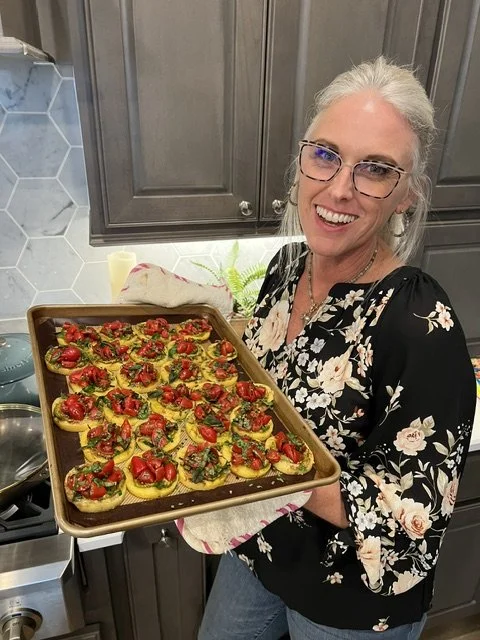
Going plant based is healthy (& delicious!)
Whether you’re cooking for your family or a crowd, plant-based food promotes good health — and it’s tasty food that everyone enjoys!
Plant-centered diets reduce poor health outcomes
The evidence shows that the health benefits of a plant‑centered diet over time depend on what you actually do day after day, not just what you believe is true. The old saying holds true here too, “Actions speak louder than words.” The evidence speaks strongly toward a high-fiber, plant-heavy diet for the best health outcomes. But it takes the action of actually putting more and more plants on your plate to have the opportunity to realize those benefits.
So, is going plant‑based healthiest? The weight of the research suggests that moving toward a whole‑food, plant‑based pattern is one of the most powerful nutrition steps you can take to reduce chronic disease risk and improve quality of life in midlife and beyond. You do not have to become a perfect “plant‑based person” overnight. You can build a new normal one choice at a time, with support, with confidence, and with the quiet assurance that each step toward more whole plant foods is a step toward better long‑term health.
In short, you can take more control of your health through consistent plant-centered dietary choices without giving up the joy of food. If you’re ready to learn how, contact me for details.
Related Helpful Resources:
Melissa’s favorite resources
Client testimonials: how their plant-centered journeys helped their health
FREE resource! - sign up to get my periodic emails and get a FREE organizer bundle - just like I use all the time!
Check out my Favorites page and see the exact products I use at home!